Explore the benefits of professional Precision aluminum casting for your next project
The Significance of Aluminum Casting in High-Quality Manufacturing Techniques
Aluminum spreading has actually arised as a cornerstone in top notch production techniques. Its light-weight residential or commercial properties and phenomenal stamina make it a favored choice for various sectors. Makers gain from its style flexibility and minimal waste generation. As the need for innovative products expands, understanding the nuances of light weight aluminum spreading ends up being vital. This expedition reveals not only its advantages but also the progressing innovations that shape its future in production. What exists ahead for this ingenious process?
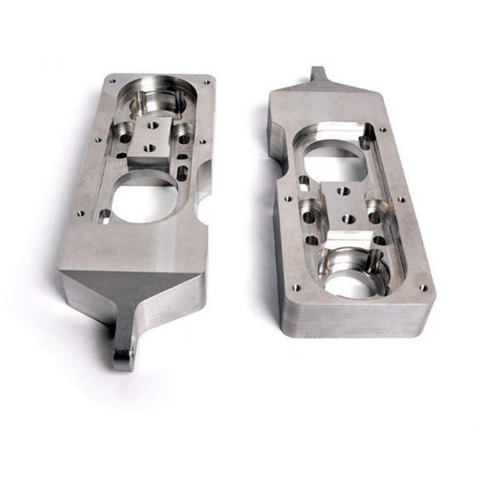
The Advantages of Aluminum Casting
Numerous casting methods exist, light weight aluminum spreading stands out due to its many advantages. One of the primary advantages is its light-weight nature, which substantially reduces transport expenses and power intake in applications. Light weight aluminum likewise exhibits outstanding corrosion resistance, making it excellent for long-lasting elements in varied atmospheres. The casting procedure enables for complex layouts, enabling manufacturers to create complicated forms with high accuracy and marginal waste. Additionally, light weight aluminum has premium thermal and electric conductivity, making it ideal for a variety of commercial applications. The high strength-to-weight proportion improves the architectural integrity of cast items, supplying toughness without the included mass. Moreover, light weight aluminum casting can be adapted to different methods, such as sand spreading or pass away casting, which broadens its applicability across sectors. Generally, these advantages placement aluminum spreading as a favored selection in modern-day production, contributing to performance and sustainability.
Trick Applications of Aluminum Casting
Light weight aluminum casting locates considerable applications across various industries as a result of its helpful buildings. In the auto market, it is widely made use of for producing engine blocks, transmission cases, and wheels, promoting lightweight layouts that enhance fuel performance. The aerospace sector also profits from aluminum spreading, where components such as real estates and brackets are generated to meet rigorous weight and toughness needs.
Additionally, the electric field utilizes light weight aluminum spreading for creating real estates and heat sinks, which are necessary for effective thermal management in electronic gadgets. Precision aluminum casting. The building market utilizes aluminum spreadings for architectural components, window structures, and fixtures, adding to both aesthetics and durability
Finally, the consumer items sector includes aluminum casting in products like cooking equipment and showing off equipment, leveraging the material's toughness and rust resistance. On the whole, the convenience of aluminum casting makes it a necessary procedure in conference diverse manufacturing needs throughout multiple areas.
The Refine of Aluminum Casting
Casting light weight aluminum includes several distinct steps that change raw materials into completed elements. The procedure begins with melting aluminum in a heater, getting to temperatures around 660 levels Celsius. When melted, the liquid light weight aluminum is put into a mold, which takes the form of the preferred part. Various mold and mildew types, including sand, irreversible, and financial investment molds, are used relying on the application.
After putting, the light weight aluminum cools and strengthens, creating a harsh spreading. This spreading undertakes a collection of completing processes, such as machining, to achieve accurate measurements and surface area high quality. Quality control actions are implemented throughout to guarantee the stability and stamina of the final product. As soon as all procedures are total, the completed light weight aluminum components are ready for different applications, showcasing the adaptability and effectiveness of light weight aluminum casting in production strategies. Each action is important in achieving top notch results, making this procedure important in manufacturing markets.
Technologies in Aluminum Casting Innovation
Current innovations in light weight aluminum casting modern technology have transformed manufacturing processes significantly. Advancements such as sophisticated casting techniques, integration of wise production, and sustainability practices are reshaping the industry. These advancements not only improve performance but likewise address ecological worries, paving the way for a much more sustainable future in aluminum casting.
Advanced Spreading Approaches
As makers seek better efficiency and sustainability in manufacturing, ingenious advancements in light weight aluminum casting technology have arised to meet these demands. Advanced casting approaches, such as die casting, investment spreading, and sand spreading, have actually been fine-tuned to boost precision and lower waste. Die casting enables for faster manufacturing prices and tighter resistances, making it suitable for high-volume products. Financial investment casting, known for its capability to produce complex geometries, makes it possible for complex designs with exceptional surface area coatings. Meanwhile, sand spreading stays prominent for its adaptability and cost-effectiveness, especially in low-volume applications. These methods not only boost the top quality of aluminum parts but likewise add to lowered energy consumption, aligning with industry objectives for lasting techniques in manufacturing processes.
Smart Manufacturing Assimilation
How can smart production integration change aluminum spreading innovation? By incorporating sophisticated innovations such as the Internet of Things (IoT), man-made knowledge (AI), and data analytics, clever production enhances effectiveness and precision in aluminum casting procedures. Real-time surveillance of devices and production lines permits immediate adjustments, decreasing waste and downtime. Predictive upkeep powered by AI decreases tools failings, making sure consistent top quality. Furthermore, information analytics can maximize casting styles and parameters, resulting in far better material utilization and lowered cycle times. These innovations promote smooth communication between machines and operators, promoting a much more agile manufacturing setting. Generally, smart production assimilation noticeably elevates the abilities of light weight aluminum spreading, advertising better outputs and more responsive manufacturing practices.
Sustainability Innovations
While the light weight aluminum spreading market deals with increasing pressure to take on lasting techniques, advancements are emerging that substantially minimize its environmental effect. Advanced reusing methods now make it possible for producers to use approximately 95% recycled aluminum, substantially reducing energy consumption and waste generation. Additionally, the integration of low-emission technologies, such as electric melting furnaces, minimizes greenhouse gas exhausts linked with standard casting approaches. Additionally, the development of eco-friendly coatings and binders replaces unsafe chemicals, enhancing office safety and security and decreasing ecological contamination. These innovations not only straighten with international sustainability objectives but additionally improve the overall efficiency and high quality of aluminum products. As the industry develops, these innovations will play an essential duty in promoting an extra sustainable future for aluminum spreading.
Comparing Light Weight Aluminum Casting With Other Approaches
In contrasting light weight aluminum casting with other making methods, a number of crucial variables emerge. Price stamina, effectiveness and longevity, and layout adaptability offer as essential metrics for assessment (Aluminum Casting Company). Assessing these facets can provide understandings into the advantages and limitations of aluminum spreading in different production contexts
Cost Performance Analysis
Expense effectiveness stays a critical consideration in manufacturing processes, especially when assessing aluminum spreading versus alternative approaches. Aluminum spreading often provides a lower first financial investment contrasted to methods such as steel creating or machining, which require more elaborate and pricey tools. Additionally, aluminum's lightweight nature can reduce transportation expenses and energy intake during production. The capability to create complex shapes with minimal waste additionally boosts its cost-effectiveness, as much less product is discarded throughout the production process. Light weight aluminum casting normally permits for quicker production cycles, leading to minimized labor expenses and faster turn-around times. To summarize, when comparing expense effectiveness, aluminum spreading frequently emerges as a positive choice, offering producers economic benefits alongside high-grade outcome.
Toughness and Resilience
Stamina and longevity are crucial elements when examining manufacturing techniques, particularly in the context of light weight aluminum casting. Compared to other methods such as plastic injection molding and steel manufacture, light weight aluminum spreading supplies distinct benefits. The integral properties of aluminum, incorporated with the casting process, result in lightweight yet robust components that can hold up against considerable stress and anxiety and environmental aspects. Unlike plastics, which might deteriorate in time, aluminum maintains its honesty and performance under heats and stress. Additionally, while click this steel elements can be larger and vulnerable to rust, light weight aluminum withstands rusting, enhancing longevity. This combination of toughness and resilience makes aluminum casting a favored option for sectors needing reputable efficiency sought after applications, such as aerospace and automobile sectors.
Layout Flexibility Contrast
The Future of Aluminum Casting in Manufacturing
Exactly how will advancements in modern technology form the future of aluminum spreading in manufacturing? The combination of automation and man-made intelligence is anticipated to revolutionize aluminum casting processes. These modern technologies can improve accuracy and efficiency, minimizing waste and manufacturing costs. Furthermore, the introduction of 3D printing methods permits fast prototyping and tailored designs, enabling producers to react promptly to market needs.
Sustainability is additionally a vital emphasis, with advancements focused on reducing energy usage and lessening environmental effect. Methods such as die spreading and financial investment spreading are why not find out more advancing to integrate recycled aluminum, advertising a circular economic climate.
Advancements in materials science might lead to the development of lighter, more powerful aluminum alloys that could increase the applications of light weight aluminum spreading across various markets. In general, the future of aluminum casting in production will likely be identified by boosted effectiveness, sustainability, and adaptability, positioning it as an essential part of contemporary production strategies.
Often Asked Questions
Exactly How Does Aluminum Spreading Influence Environmental Sustainability?
Aluminum spreading positively influences environmental sustainability by advertising recycling, minimizing power consumption contrasted to various other metals, and lessening waste. Its lightweight residential or commercial properties additionally bring about lower discharges during transport, supporting greener techniques in numerous markets.
What Are the Price Effects of Aluminum Spreading?
Light weight aluminum spreading frequently involves greater preliminary prices due to material and handling expenses. Nevertheless, its resilience and lightweight buildings can yield long-term cost savings by lowering maintenance and transportation prices, ultimately stabilizing the economic ramifications for suppliers.
Can Aluminum Casting Be Recycled Efficiently?
Aluminum casting can be recycled effectively, as the material maintains its buildings throughout the reusing process. This allows for the manufacturing of high-quality components while minimizing waste and reducing energy consumption connected with new aluminum production.
What Precaution Are Needed During Light Weight Aluminum Casting?
Precaution during light weight aluminum casting consist of utilizing individual protective tools like handwear covers and goggles, making certain correct ventilation, preserving equipment, and following protocols for taking care of molten steel to avoid burns, breathing dangers, and other potential accidents.

Just How Does Aluminum Casting Affect Item Design Adaptability?
Light weight aluminum spreading boosts item layout versatility by allowing lightweight frameworks and elaborate shapes. This technique enables designers to discover ingenious arrangements, resulting in flexible applications across numerous why not check here markets while preserving stamina and sturdiness in the last items.
Light weight aluminum casting can be adapted to various strategies, such as sand casting or die casting, which widens its applicability throughout sectors. As soon as all processes are total, the finished light weight aluminum elements are ready for various applications, showcasing the flexibility and performance of aluminum casting in manufacturing strategies. As makers seek greater effectiveness and sustainability in manufacturing, cutting-edge advancements in light weight aluminum spreading technology have arised to meet these demands. Unlike plastic injection molding, which may require considerable tooling modifications for style adjustments, light weight aluminum spreading can accommodate adjustments much more easily during the manufacturing cycle. Improvements in materials scientific research may lead to the advancement of lighter, more powerful light weight aluminum alloys that can increase the applications of light weight aluminum spreading across various industries.